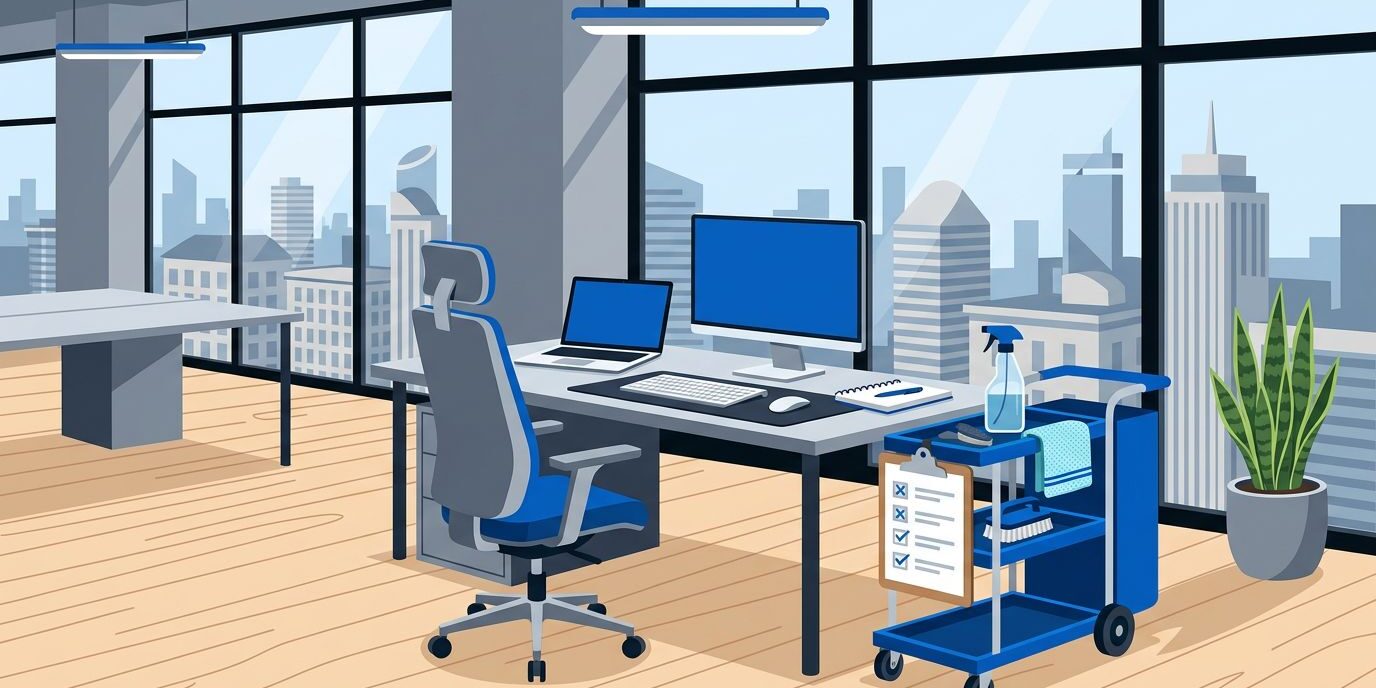
A clean environment is easier to maintain when the work is clearly documented. An office cleaning log serves as a vital tool for any organization, providing a simple record of what tasks were completed, when they were finished, and who managed them. By tracking these details, you can ensure a healthy workplace that supports the wellbeing and productivity of your team.
This level of documentation is especially important in busy corporate settings where schedules shift, crews rotate, and small oversights can quickly become larger issues. Even when hiring professional commercial cleaning services, these records act as a primary method to ensure consistent standards and clear handoffs between shifts. With the right log, you keep the workspace orderly, the expectations transparent, and the quality of maintenance easy to monitor.
Key Takeaways
- A reliable office cleaning log records the date, specific area, task description, assigned cleaner, time spent, and any reported issues.
- Organizing your office cleaning checklist by zone makes it easier to track maintenance responsibilities by location and frequency.
- Whether you are managing daily cleaning tasks or scheduling deep cleans, all weekly, monthly, and quarterly responsibilities should have a dedicated place in your log.
- The most effective logs are simple enough that staff can use them without confusion, ensuring that a well-maintained system directly improves employee productivity by fostering a consistently sanitary environment.
- Any missed work, facility damage, or unexpected extra tasks should be recorded immediately to keep operations running smoothly.
Why a Cleaning Log Matters in a Busy Office
A cleaning log does more than track chores. It provides essential accountability, offering proof that the right areas were handled on schedule. This is incredibly helpful for an office manager, facilities staff, and any commercial cleaning services that rotate between various sites.
It also cuts down on guesswork. When someone asks whether the restrooms were serviced, whether high-touch surfaces in the breakroom were wiped down, or whether the lobby glass was cleaned, the log provides a clear answer. This record is vital when different people cover different shifts, as consistent sanitization is a primary factor in maintaining good indoor air quality and supporting overall employee productivity.
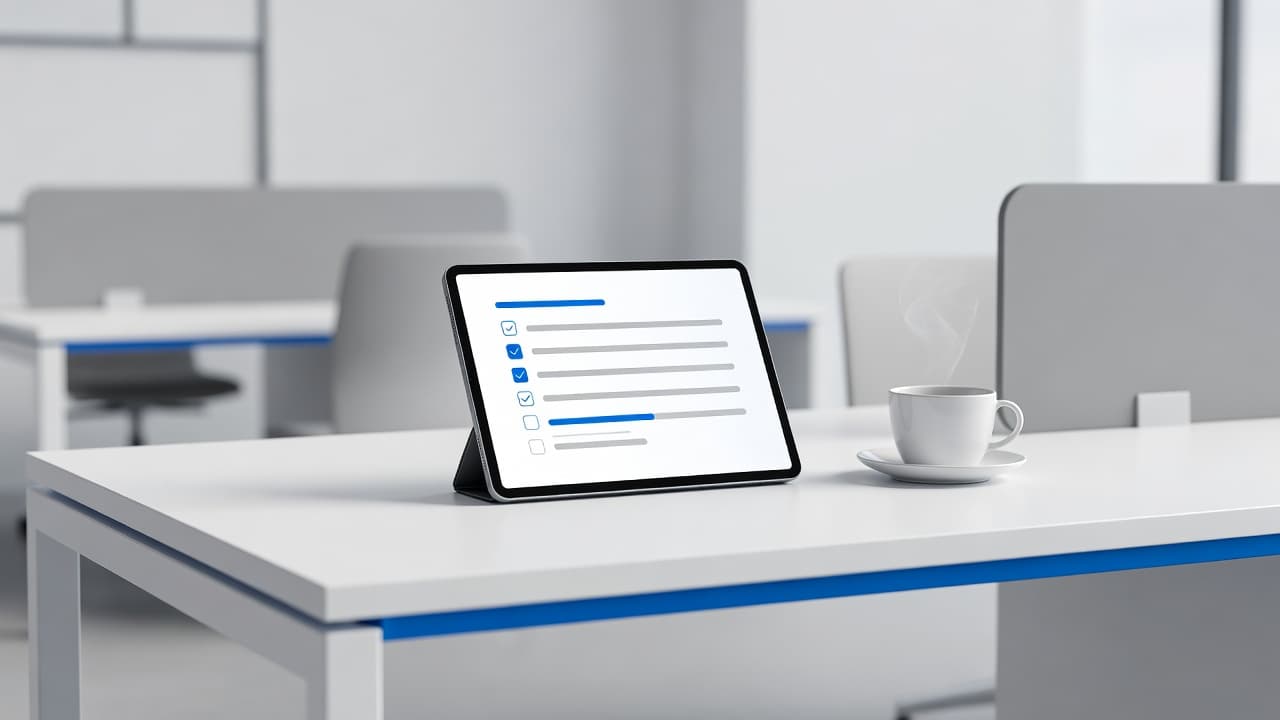
A good log also helps with continuity. If a crew changes, the next person can pick up where the last shift left off. If a problem comes up, such as a leak, a broken dispenser, or a stain that needs follow-up, the note is already there.
If a task is not logged, it is easy to miss it twice.
That is why the log should feel practical, not decorative. It should live where people actually use it, and it should be fast to fill out.
What Every Office Cleaning Log Should Record
A strong log starts with the same core fields every time. If we change the format from shift to shift, the record loses value fast. By maintaining a consistent structure, you can better support your overall maintenance schedule and ensure every area of the facility remains professional and sanitary.
Here is a simple layout that works for most offices:
| Field | What to record | Example |
|---|---|---|
| Date | The exact day the work was completed | 07/06/2026 |
| Cleaner name or initials | Who performed the task | Maria Rodriguez, M.R. |
| Area or zone | The room, section, or space cleaned | Restroom 3, West Wing |
| Task completed | The specific work that was finished | Disinfecting surfaces, mopping floors |
| Time | When the work was done | 8:45 AM |
| Supplies used | Products or tools used for the job | Germicidal cleaner, microfiber cloth |
| Notes or issues | Damage, shortages, or follow-up items | Leak found at sink, needs repair |
That list keeps the log honest. It also makes it easier to spot patterns, such as a restroom that needs more attention or a break room that runs out of supplies every week.
We can also separate the office into zones to track progress more effectively. Workstations, restrooms, the break room, conference rooms, the reception area, and shared desks should each have their own place in the record. That keeps the log readable and helps us see which areas need daily care and which ones need less frequent attention.
How to Build the Log Step by Step
We do not need a complicated system. We need one that staff can follow without slowing down the cleaning routine.
1. Divide the office into clear zones
Start by naming each area. A simple office might use zones like workstations, restrooms, breakroom, lobby, and conference room. Larger buildings may need more detail, such as lobby glass, elevator areas, or back hallways.
The point is to make the log specific. Cleaning the office is too vague. Instead, specify tasks like wiping desks in Work Zone 2, cleaning light switches, and sanitizing door handles to give us a useful record.
2. Match tasks to frequency
Different spaces need different schedules. Daily cleaning tasks, such as restroom cleaning and trash removal, usually need constant attention. Glass, vents, baseboards, and carpet edges may only need weekly or monthly care.
A simple office cleaning checklist, such as SafetyCulture’s office cleaning checklist, can help us shape those task groups. For a row-by-row template, the WHO cleaning logsheet is a useful reference for structure. Whether you follow a weekly cleaning schedule or a daily routine, the system should fit the building, not the other way around.
3. Choose paper, digital, or both
Paper logs work well when staff need a quick handoff sheet at the end of a shift. Modern janitorial services often prefer digital logs when managers want easier review, cleaner records, or remote access.
Either way, the format should stay simple. The same fields should appear every time, and the same terms should be used across every section. If one person writes main hall and another writes corridor A, the record becomes harder to read.
4. Add a clear sign-off process
Every completed shift should end with a signature, initials, or digital confirmation. That small step matters because it shows who finished the work and when it was completed.
If a task could not be completed, the log should say why. If a dispenser is empty, a drain is slow, or a floor needs extra work, the note should be direct. If extra work was approved, that should be recorded too.
A useful sample entry might look like this:
- Date: 07/06/2026
- Cleaner: M.R.
- Area: Restroom 3, West Wing
- Tasks: Disinfecting surfaces, disinfecting workstations, wiping handles, restocked soap, mopped floor
- Time: 8:45 AM
- Notes: Sink leak reported for repair
5. Review it on a schedule
A cleaning log should not sit untouched for months. We should review it monthly or quarterly, depending on the size of the office.
That review tells us whether trash removal is happening on time, whether shared desks need more attention, or whether a room keeps showing the same issue. It also helps us refine the maintenance schedule when the office changes, because cleaning needs change with it.
What to Log by Frequency
Different tasks belong in different time blocks. A simple schedule makes the log easier to use and easier to check.
| Frequency | What to include |
|---|---|
| Daily | Trash removal, restroom cleaning, breakroom wipe-downs, high-touch surfaces, floor touch-up |
| Weekly | Dusting vents, cleaning interior glass, vacuuming carpets, fridge cleaning |
| Monthly | Carpet care, floor polishing, deeper wall and partition cleaning, fixture checks |
| Quarterly | Full deep cleaning tasks, upholstery care, blind cleaning, larger inspection notes |
This structure keeps the log balanced. It reminds staff that not every task belongs in the daily column, and it ensures that periodic work stays on track. Implementing a consistent weekly cleaning schedule helps the team manage these tasks effectively and keeps essential maintenance from slipping through the cracks.
Keeping the Log Useful Over Time
A cleaning log works best when the whole team respects it. That means the person closing the office, the professional janitorial services crew, and the manager reviewing the space all need to use the same system.
We should keep the wording plain and the layout clean. Long instructions slow people down, and confusing labels do the same. The strongest logs are the ones staff can scan in a few seconds and understand right away.
We should also use the log to track exceptions. If a conference room was used for an event, if a restroom needed extra service, or if a deep cleaning task was required after a spill, that belongs in the record. Those notes help the next shift and they help managers see what the office really needs.
If your commercial cleaning services team rotates, the log becomes even more important. It gives each person a quick view of what happened before they arrived. By tracking details like the sanitation of door handles and light switches, you ensure consistent care. This attention to detail supports a healthy workplace and maintains a professional environment, which is directly linked to higher employee productivity.
Frequently Asked Questions
How often should I review my office cleaning log?
Managers should review cleaning logs on at least a monthly or quarterly basis. Regular reviews help identify recurring issues, track the performance of janitorial staff, and allow you to adjust cleaning frequencies as office usage patterns change.
Is a digital or paper-based log better for an office?
Both options work well depending on your team’s workflow and accessibility preferences. Paper logs are often faster for quick sign-offs during busy shifts, while digital logs provide better remote access and easier data analysis for facility managers.
Why should I divide my office into specific cleaning zones?
Dividing an office into zones ensures that no area is overlooked and makes it easier to assign specific responsibilities to different cleaners. This structured approach helps maintain consistency, particularly in large facilities where different staff members are responsible for various sections.
What should I do if a cleaning task was skipped?
If a task could not be performed, it should be documented in the ‘Notes or issues’ section of the log with a brief explanation. This transparency helps maintain accountability and ensures that the next shift knows exactly where to pick up the workload.
Conclusion
A good cleaning log keeps the office organized, the work visible, and the handoffs clear. When we record the date, area, task, time, and follow-up notes, we build a record that actually helps the workplace run better. Ultimately, maintaining a consistent office cleaning checklist is the most effective way to ensure your workspace remains orderly and professional every single day.
The best system is the one people will use every day. Keep it simple, keep it specific, and keep it current.
If we want support with recurring commercial cleaning services or occasional deep cleaning to refresh the workspace, we can Get a FREE Quote Today and build a service plan that fits the office schedule.